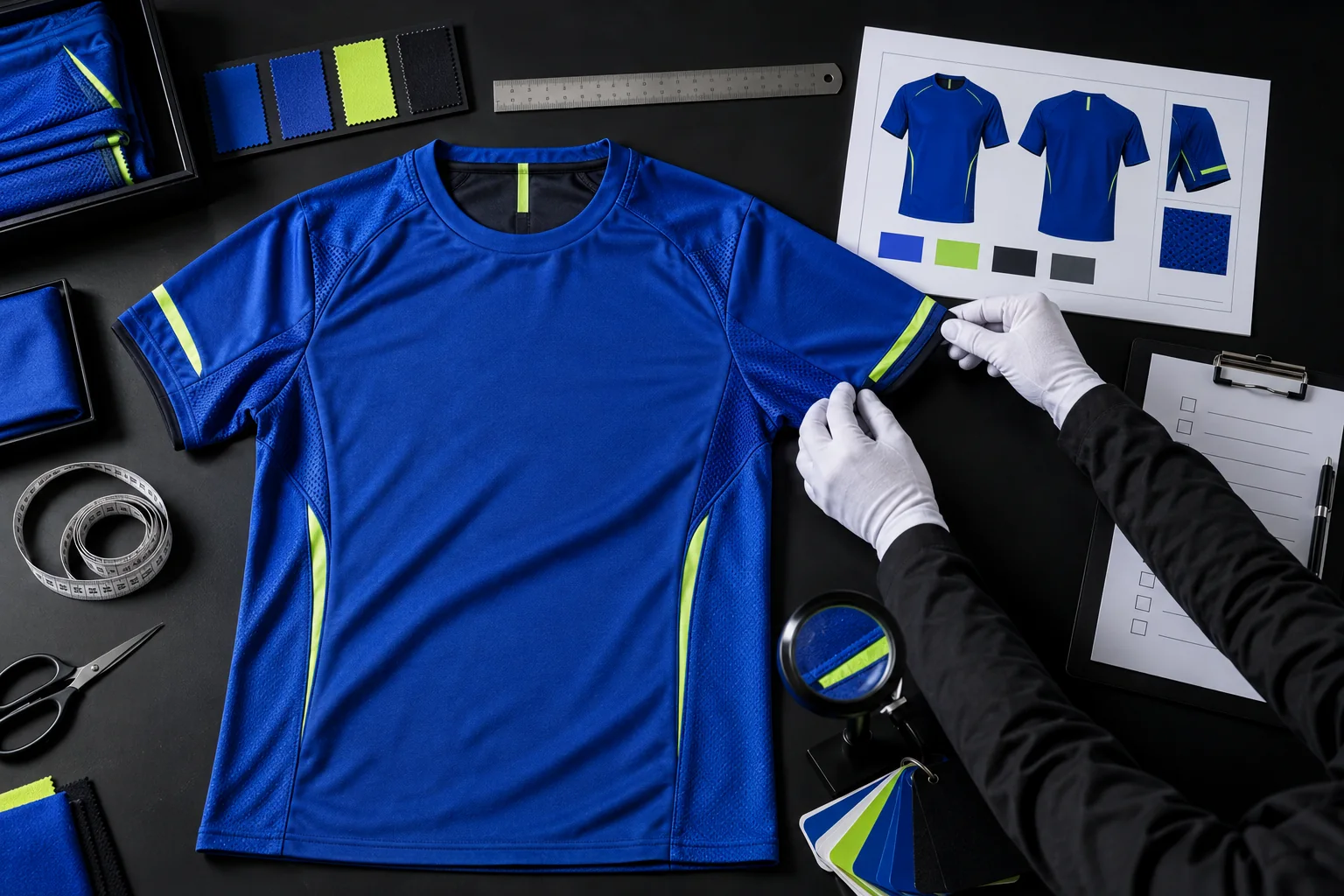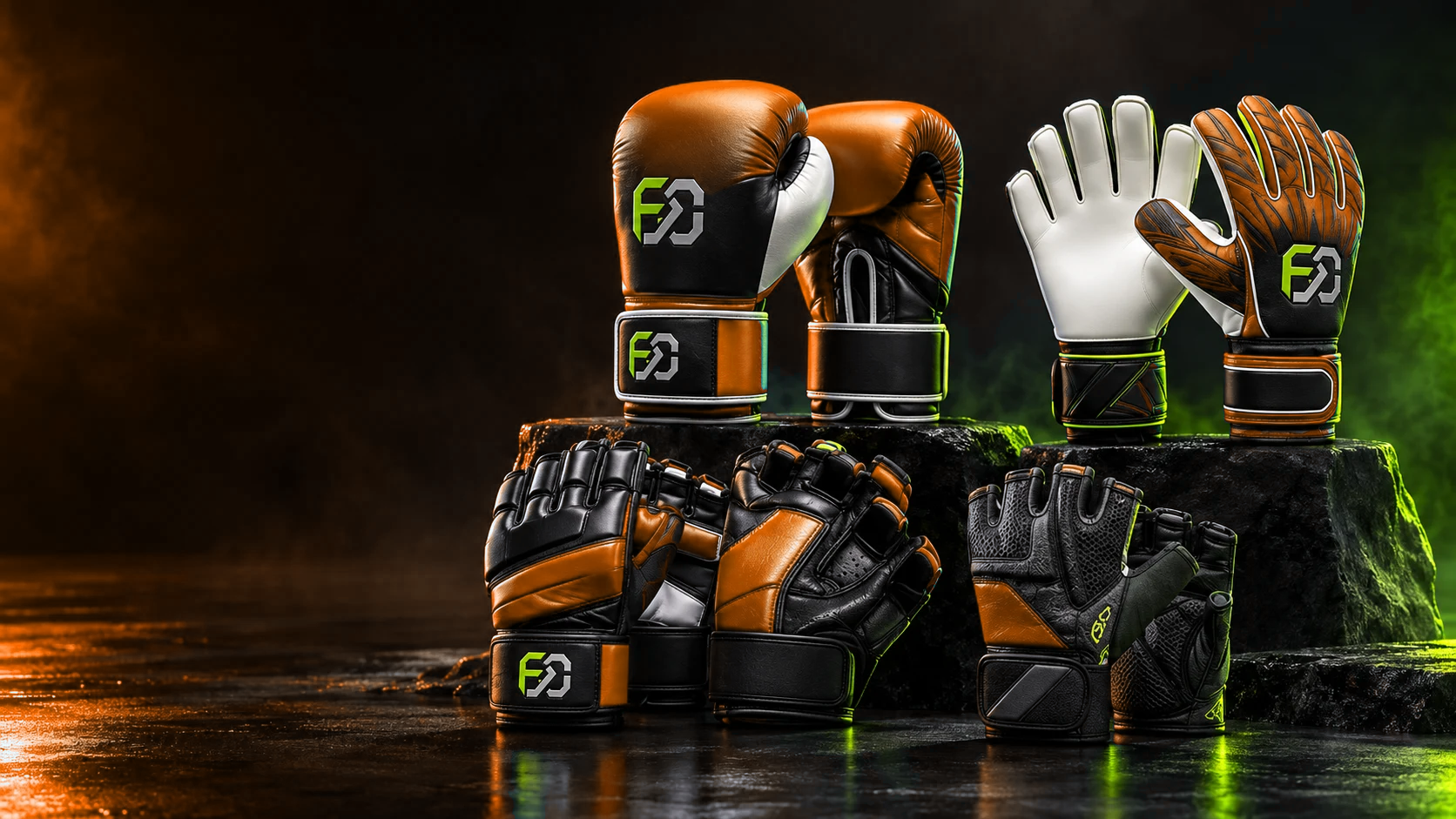
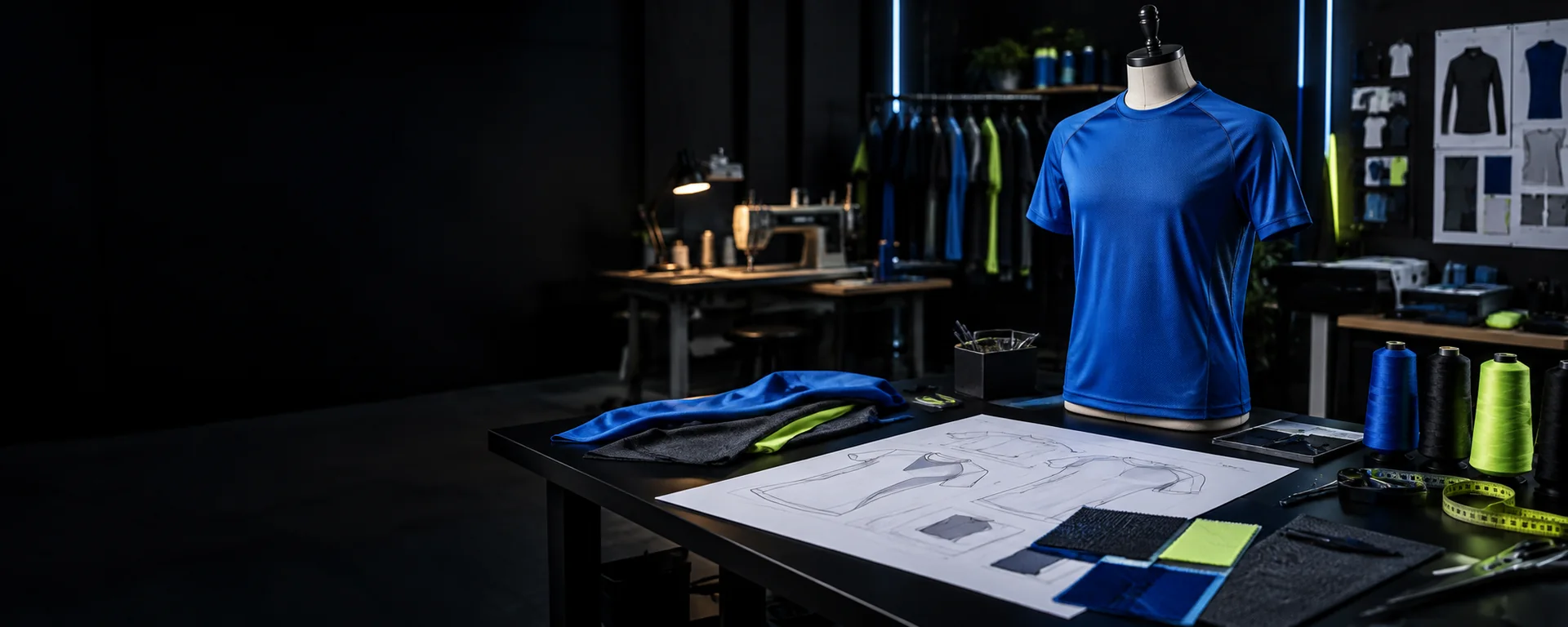
Pattern development
Translate the approved product brief into a controlled base pattern, size range and sample specification before production decisions are locked.
- Digital CAD patterns
- Size grading
- Sample fit corrections
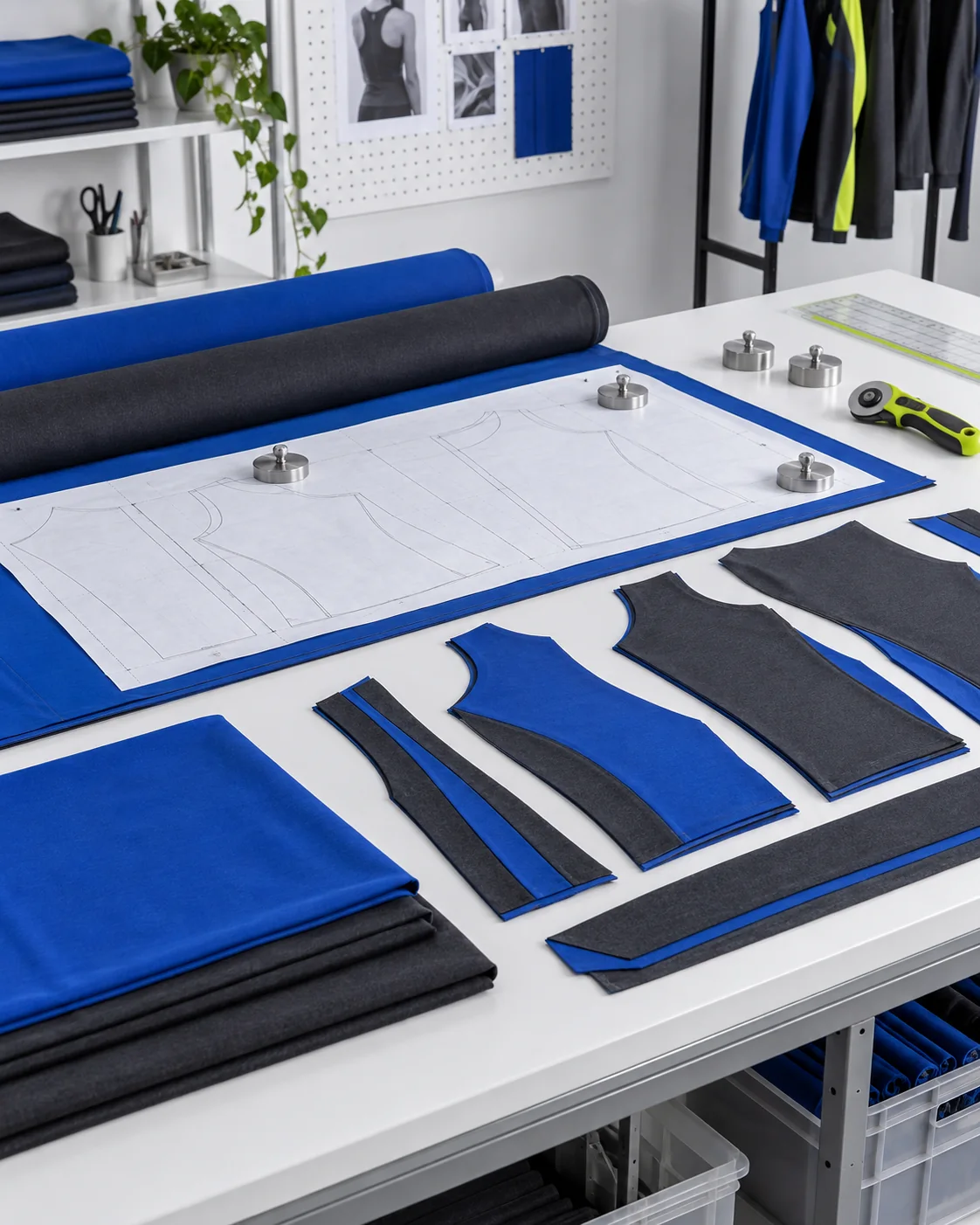
Connect product development, material decisions, construction, decoration and production checks around one buyer-approved brief.
Review each production family against the garment, end use, artwork and approval standard required for your programme.

Translate the approved product brief into a controlled base pattern, size range and sample specification before production decisions are locked.

Prepare inspected material through marker planning, controlled spreading, accurate cutting and organised panel bundles.

Select seam and assembly methods around the garment structure, movement requirement and approved sample.

Develop all-over teamwear artwork for compatible polyester panels, with colour, roster data and panel alignment reviewed before production.

Plan spot-colour graphics around the selected fabric, artwork scale, ink route and cure requirements.

Develop stitched branding with the artwork, fabric, placement, backing and stitch construction reviewed together.
A repeat order is clearest when the buyer can identify the exact product, approved sample, size set, artwork version and packing instruction to be reviewed again.
Identify the garment or equipment specification and the approved physical sample connected to it.
Carry forward the agreed measurement set while confirming any requested changes.
Reference the approved colour targets, decoration files, placements and roster data.
Reconfirm current quantities, materials, packing, destination and timing before production.
The correct method depends on artwork, garment fabric, placement, hand feel and the result approved during development.
Best considered for compatible polyester panels and artwork that needs broad colour or pattern coverage.
Useful for selected spot-colour graphics where ink, fabric and cure conditions can be sampled together.
A structured stitched route for suitable crests, patches and garment placements.
Approvals keep the physical garment, artwork and production instructions connected to the same decision trail.
Product construction, materials, sizes, artwork and packing requirements are clarified before sampling.
Fit, dimensions, seams, trims and garment behaviour are reviewed on the developed sample.
Colour targets, print scale, embroidery stitch-out and player data are approved for the selected application.
Bulk work proceeds against the current approved references and recorded corrections.
Each stage resolves a different set of buyer decisions before the next production step begins.
Confirm product, end use, quantity, size range, decoration and destination.
Prepare pattern, construction route, artwork and material directions.
Review fit, measurements, fabric, seams, trims, colour and branding.
Record accepted references and resolve requested corrections.
Plan materials, markers, panels, roster data and production instructions.
Cut, assemble and decorate against the current approved specification.
Check defined measurements, construction, colour, artwork and finish.
Confirm packing requirements and dispatch documentation for the destination.
Define the checkpoints that matter for the selected product instead of relying on a generic pass or fail label.
Compare the received or selected material with the approved programme reference.
Review agreed measurement points and size tolerances against the specification.
Inspect seam choice, reinforcement, assembly and finishing details.
Check placement, scale, colour reference and roster information where applicable.
Confirm labels, assortment and packing instructions before dispatch handover.

Open a dedicated division page to see how the shared development and approval system changes for each product family.
Send the product type, intended use, quantity, size range, artwork or reference images, destination and target date. A tech pack is useful when available, but a clear sketch or reference sample can also start the discussion.
Construction is reviewed against the product structure, fabric, movement, stress areas, finish and the result required from the approved sample.
The route depends on the selected fabric, artwork coverage, colour count, placement, hand feel and the physical result you approve during development.
Requested corrections can be recorded for the next development stage. Bulk production should begin only after the current sample, specification and artwork references are approved.
The quotation should confirm the reviewed product, construction, decoration, quantity and commercial details. Minimums, timing and material availability remain programme-specific until that review is complete.
Share the product, quantity, artwork, size range, destination and target date. Fusion Crest can then review the relevant development, construction and decoration route for your programme.